A Note from the Author
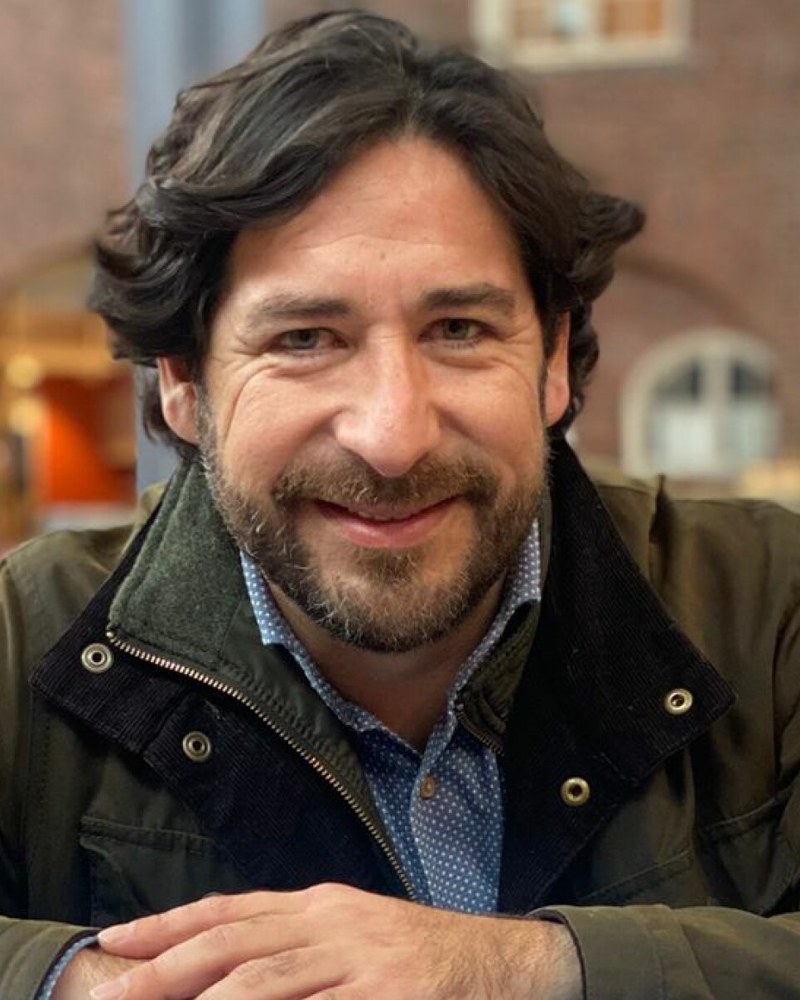
Over the years, working in disease surveillance and in the training of animal-health teams — through the Food and Agriculture Organization (FAO), the International Atomic Energy Agency (IAEA), collaborative international alliances, and consultancies carried out through Epivet — I have had the privilege of standing alongside the people who keep aquatic animals healthy, in hatcheries, on farms, in laboratories, and in the offices where sanitary policy is written. That work, across many countries and many species, is the soil from which this book grew.
I am convinced of something simple. The future of our food will come, in large part, from aquaculture. As wild fisheries reach their limits and the world needs more protein produced with a lighter footprint, farmed fish, shellfish, and crustaceans will carry more and more of that burden. But these are living animals, and living animals get sick. For their sake — and for the sake of a planet whose waters we share with them — we have an obligation to look after their health, and to do it with evidence rather than guesswork.
That is what this book is for. It gathers the epidemiological tools I have used and taught, and puts them into the hands of the fish-health specialist, grounded in real problems and worked through in R. If it helps one more team detect an outbreak sooner, treat more wisely, or prevent disease before it starts, it will have done its job.
A word, finally, on ethics. Caring for the health of farmed aquatic animals is not only a technical task; it is a moral one. It means taking their welfare seriously as an end in itself, using antimicrobials responsibly so that they remain effective for the animals and people who will need them, protecting the shared environment and wild populations from the consequences of what we do, and being honest about what the evidence does and does not show. I have tried to let that commitment run quietly through every chapter. I hope you will carry it into your own work.
With respect and gratitude,